Blog

15 Nov
0

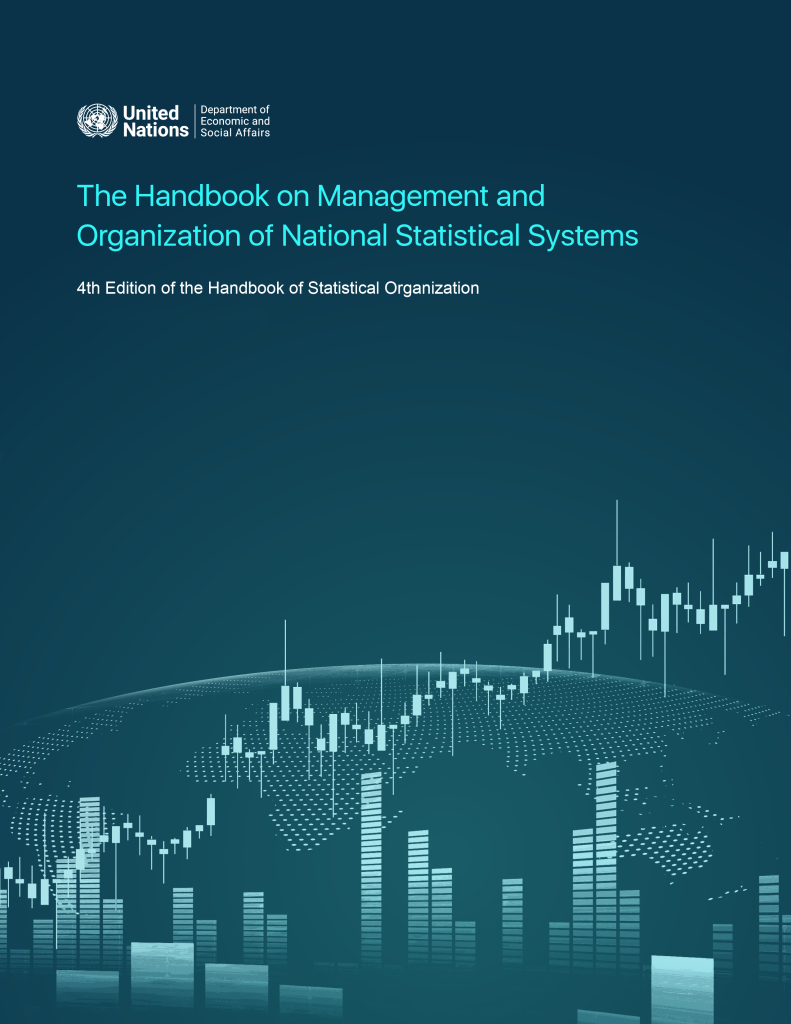
UN Handbook on Management and Organization of National Statistical Systems

UN Handbook on Management and Organization of National Statistical Systems, 2025

Bibliographic information
Geographic coverage
: United Nations

Subject areas: Work Programme

Resource type(s): Manuals and tools

Publication year

2025

Number of pages

586

Publishing entity/ies: United Nations

Read More
04 Nov
0

First Caribbean Data Day

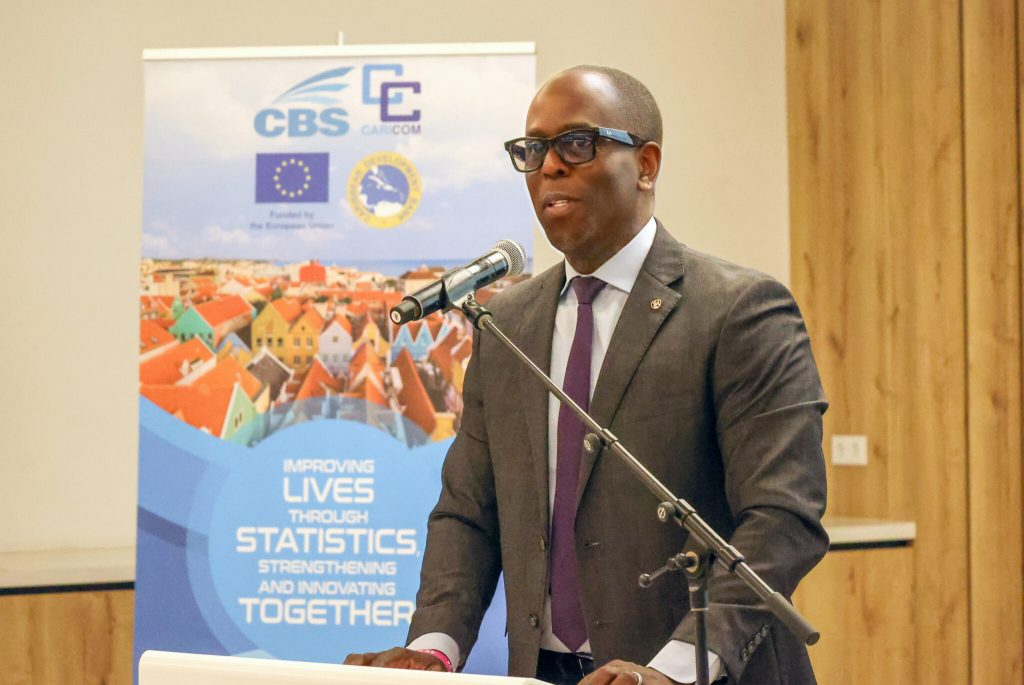
Dr. Armstrong Alexis, CARICOM Deputy Secretary-General, called on statisticians, policymakers and partners to strategise on closing data gaps and scaling up innovative approaches to improve the statistical landscape in the Caribbean.

The Deputy Secretary-General spoke on Thursday, 30 October 2025, at the opening of Caribbean Data Day, which is hosted jointly by the CARICOM Secretariat and the World Bank as one of the series of statistics-related events in Willemstad, Curacao.

In his remarks, he referred to challenges Caribbean countries face in producing data to measure monetary and multi-dimensional poverty and vulnerability, especially those linked to climate change. The DSG emphasised the value of statisticians, policymakers, and international development partners meeting to deliberate and strategise on closing data gaps and scaling up innovative approaches to improve the statistical landscape in the Caribbean.

The one-day event is aimed at exploring innovative approaches to address persistent data challenges. Its key focus will be on data needed to measure monetary and multidimensional poverty, track Sustainable Development Goals (SDGs), and provide insights into vulnerability and resilience, especially in relation to climate-related shocks.

There are four sessions: Poverty Analytics and Statistical Performance in the Caribbean; Regional Initiatives for Enhancing Statistical Capacity in the Caribbean; New and Improved Approaches for Measuring the SDG and Resilience; and Making Data Count for Policy: Using, Communicating and Disseminating Data.

Please read the remarks by the CARICOM Deputy Secretary-General:

I am honoured to once again be joining you for this annual gathering of regional Statisticians.  When I assumed office as the Deputy Secretary General of the Caribbean Community in 2021, I took the decision to pay particular attention to the Regional Statistics Programme and to manifest my support by making myself available annually to stand side by side with you at your annual week of Statistics. I am therefore honored to be joining you once again, and in particular to be with you for this the opening of the Caribbean Data Day, a special feature of this year’s Meeting of the Standing Committee of Caribbean Statisticians (SCCS).

I begin by expressing solidarity with other Members States of CARICOM, particularly with Jamaica, Haiti, The Bahamas, and, fingers crossed, I will not have to add much more than this. But we all know that the ravages of Hurricane Melissa have brought destruction and devastation to our Member States, causing us to be even more concerned about the impact of the climate crisis on our countries, our people and our Region.

Just as any other successful mission, the desired result of eradicating poverty and inequality in all its forms across the CARICOM Region is better achieved if we join forces with others who share a similar desire. As the old saying goes, if you want to go fast, go alone. If you want to go far, go together.  This adage is manifested in today’s collaborative venture, wherein, together with the World Bank we are providing a platform to you as leaders in Statistics in the Community to reflect on, respond to and shape the relevance of data in addressing some of the basic needs of our citizens.    

You are no doubt aware that data is critical for measuring monetary and multidimensional poverty, tracking progress toward the Sustainable Development Goals (SDGs), and providing insights into understanding vulnerability and resilience, and I share your desire to one day see greater value placed on Statisticians as critical cornerstones to an evidence-based, data-driven, knowledge-seeking modern Caribbean society.  I trust that through conversations like that which will be held today, we shall move closer towards building better appreciation for consistent systems to capture and report data that is essential for monitoring progress toward our shared goal of wholesome and comprehensive human development.

The challenges faced by many Caribbean countries in producing the data needed to measure monetary and multi-dimensional poverty and vulnerability, especially those linked to climate change, can never be over emphasised.  I am therefore pleased that we have created this rare and valuable opportunity for statisticians, policymakers, and international development partners to come together, to deliberate and strategise on closing data gaps, and scaling up innovative approaches to improve the statistical landscape in the Caribbean.

The many interventions led by the Regional Statistics Programme at the CARICOM Secretariat contribute to a number of overarching objectives.  As a Community, we remain steadfast to ending hunger and poverty. Our efforts have focused on boosting regional food production to reduce dependence on imports. The Community’s 25 by 25 initiative was designed specifically to reduce our food import bill by 25% by 2025 and though there were factors that mitigated against achieving this target, Member States have redoubled their efforts in the expanded 25 by 25 plus initiative with a new target set for 2030. Our lived reality in CARICOM has brought us face-to-face with the devastating effects of the climate crisis and although we have all committed to the Sustainable Development Goals we see how exogenous variables that we neither contribute to nor have control over, are adversely impacting our ability to meet these goals by 2030. 

Despite the challenges that sometime may appear daunting, it is incumbent upon us to confront some critical questions:

  • Are our national plans and policies driving the positive change we seek in poverty reduction, inequality, and sustainable development?
  • How do we move from deliberation to action in strengthening our statistical systems to produce these critical datasets?
  • How can we leverage our data to shape impactful policies? and
  • How do we ensure sustained regional capacity for continuous and reliable production of high-quality data?

It is my sincere hope that today’s discussions will yield concrete recommendations and practical solutions to these pressing issues.

I wish to reiterate what I said in my opening remarks on Monday: that this Caribbean Data Day truly embodies the theme of this year’s meeting of the Standing Committee of Caribbean Statisticians, “Improving Lives through Statistics: Strengthening and Innovating Together.”

By promoting the production and use of high-quality data, driven by innovation and technology, we are empowering ourselves to create and implement policies that can sustainably transform the lives of the people of our Caribbean Community, ensuring a better, more prosperous future for all.

The future of how statistics and data usage in decision-making shape our Caribbean Community rests not only in the hands of statisticians.  It is a collective undertaking of which statisticians serve multiple roles including that of champions, advocates, knowledgeable experts, guardians and custodians,  and the more opportunity that is made available for you to lead in shaping a modern society that is driven by data, the closer we as a society will get to building that evidence-based, data-driven, knowledge-seeking future that I referred to earlier. I therefore thank you all for availing yourselves of the opportunity to share in today’s event. Your presence, your insights and your unwavering commitment to advancing the power of statistics in the Caribbean is critical if we are to build a future where no one is left behind.

Thank you for the opportunity to share in today’s experience with you, and thank you to the government and people of Curacao for being such gracious hosts of this week’s series of meetings.  I wish you fruitful deliberations as you embark upon the business before you in today’s programme.

I thank you. 

Read More
28 Oct
0

Trinidad and Tobago National Wins SCCS Logo Design Competition

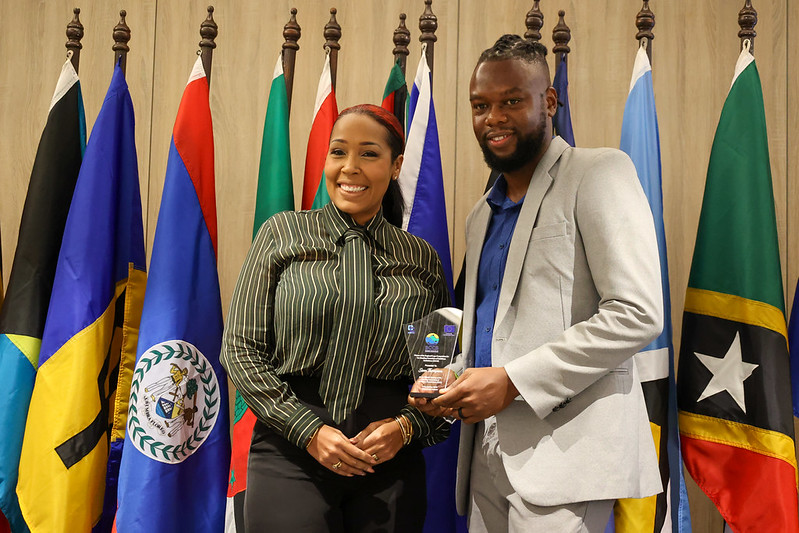
Seon Thompson is both humbled and elated that his design was selected as the official logo of the Standing Committee of Caribbean Statisticians (SCCS).

His design emerged as the winning entry from among 206 submissions in a competition organised by the CARICOM Secretariat, in collaboration with the SCCS, and with funding from the 11th European Development Fund (EDF) under the Strengthening of the Framework of CARICOM Integration and Cooperation Process (SFCICP) project. The logo competition is one of many activities marking the Year of Statistics, which ends in November. The theme for this year’s commemoration is ‘Improving Lives through Statistics, Strengthening and Innovating Together’.

The logo embodies the vision, values, and mission of the SCCS, serving as a unifying emblem that reflects its vital role in advancing statistical development, collaboration, and cohesion across the Caribbean Community.

SAMPLE

SAMPLE

A national of Trinidad and Tobago, Mr. Thompson was present in Curaçao for the unveiling of the logo during the opening of the 50th Meeting of the SCCS on 27 October 2025. He expressed his hope that the logo “would last for the next 50 years of the SCCS.”

Mr. Thompson shared his reflections with the Communications Unit shortly after the unveiling.

Read More
27 Oct
0

CARICOM Data Dialogue Signifies a Turning Point in Educational Planning

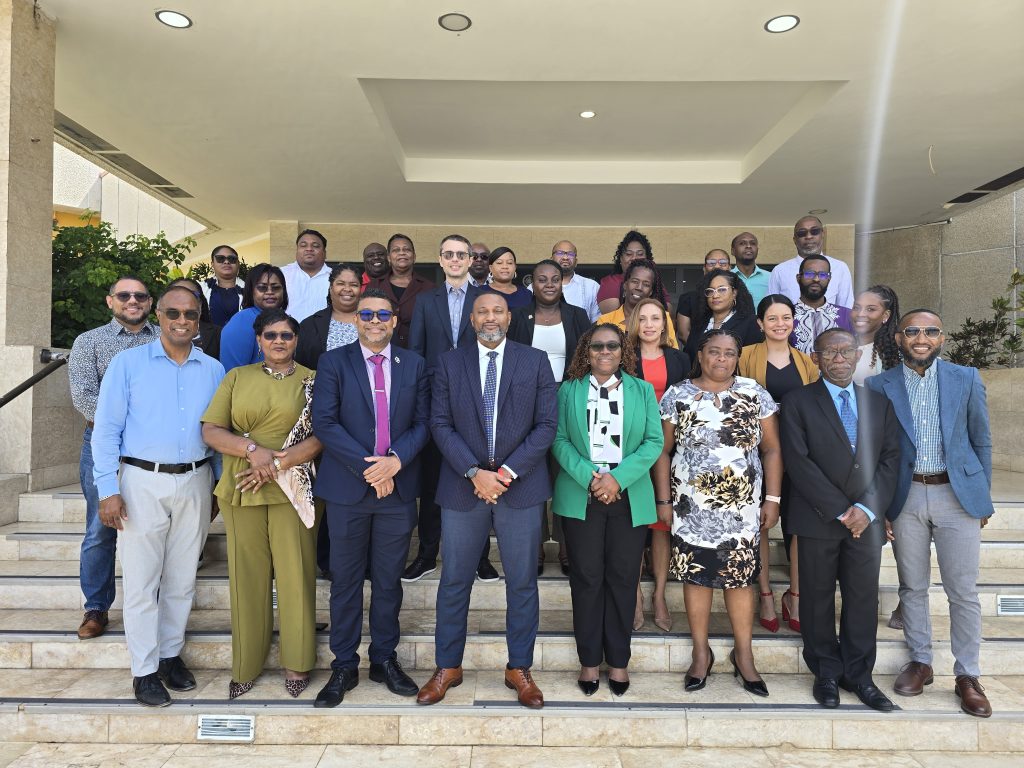
Helen Royer, Director of Human Development at the CARICOM Secretariat, emphasised the need for stronger collaboration between educational planners and national statistics officers at a technical dialogue convened during the 34th Meeting of the CARICOM Advisory Group on Statistics on 24 October 2025. She described this partnership as transformative, noting its potential to improve the accuracy and relevance of education data, strengthen policy-making, and reshape how data is collected and used to build more inclusive and resilient education systems.

Royer commended the AGS for its pioneering work in promoting data-driven decision-making across the Region. She framed the Dialogue as a key step toward deeper regional unity, aligning with CARICOM’s Strategic Plan for 2022–2030 while highlighting the importance of integrating statistical expertise into educational planning to support the implementation of the CARICOM Human Resource Development 2030 Strategy.

Please read her complete remarks below:

Let me begin by commending the Advisory Group on Statistics on the exemplary and pioneering work that you have been doing to advance the use of data for decision-making in the CARICOM region.

I am thrilled to be joining you in your 34th Meeting, and I want to place on record the Secretariat’s appreciation of the warm welcome that we have received from our friends and colleagues in Curacao.

I also want to acknowledge the efforts of the technical staff in the CARICOM Secretariat who worked to make this Meeting possible. Director Brizan, it was heartwarming to see your enthusiastic support for this Technical Dialogue when it was first proposed. I, therefore, commend the teams from the CARICOM Secretariat’s Human Resource Development and the Regional Statistics Programmes in executing this collaborative activity.   

As I reflect on the rich discussions the education representatives had yesterday and the optimism that has propelled us into today’s discussions, I strongly believe that we are at a critical moment in educational planning in the region.

If this moment is handled well, it could represent an inflection point in how we approach data collection, handling and usage in educational planning. Let us, therefore, make an effort to ensure that our discussions today are rich, meaningful and solutions-oriented.

Today’s Dialogue is a concrete manifestation of the normative principle of Deeper Levels of CARICOM Unity, outlined in the CARICOM Secretariat’s Strategic Plan for 2022 to 2030.

Through this principle, the Secretariat is keen on identifying and supporting collaborative and cohesive approaches by seizing the opportunities to convert complementary activities into synergistic collaboration.

This technical dialogue between educational planning officers and national statistics officers is built on a shared commitment to promote the use of data in decision making – another idea embedded in the Secretariat’s Strategic Plan. Educational data is critical to the implementation of the CARICOM Human Resource Development 2030 Strategy.

Over the years, the Secretariat has made efforts to strengthen the education data ecosystem. At the Meeting of Education Ministers in 2024, for example, it was agreed that a generic statistical business process model should be developed for education data and that data integration should be prioritized.

These are critical areas in which this collaboration between national statistics officers and educational planners can be particularly useful. National statistics officers bring technical expertise in data collection, analysis, and quality assurance, while educational planners provide contextual understanding of policy priorities, resource allocation, and implementation challenges.

By working together, both groups can ensure that education data is accurate, timely, and aligned with national development goals. This partnership supports evidence-based planning, helps monitor progress toward education targets, and identifies gaps in access, quality, and equity.

Ultimately, this Technical Dialogue serves to enhance the effectiveness of education policies and ensures that decisions are grounded in reliable data, leading to more inclusive and resilient education systems.

I, therefore, look forward to the results of this discussion today and I am excited about the transformation in educational planning that it will catalyse.

Read More
24 Oct
0

CARICOM Guidelines and Protocols on the Collection and Use of Administrative Data on Violence against Women and Girls

Author(s)/editor(s)

Carol Watson Williams – Consultant, UN Women MCO – Caribbean

These guidelines are intended to help improve the quality of administrative data on VAWG, and the ethical practices which attend the collection of this data. Accordingly, the primary audience is those entities which produce administrative data on VAWG at the national and sub-national levels. These include, but are not limited to:

  • Social services which provide assistance to survivors of VAWG. 
  • Civil society organisation offering services;
  • The police;
  • Medical facilities providing care to survivors;
  • The justice sector, including courts, mediation, legal aid, and prosecutorial services.

Bibliographic information

Geographic coverage: Latin America and the Caribbean

Subject areas: Ending violence against women and girls Gender equality and inequality

Resource type(s): Manuals and tools

UN Women office publishing: Caribbean Multi-Country Office

Publication year

2024

Number of pages

32

Publishing entity/ies: United Nations Entity for Gender Equality and the Empowerment of Women (UN Women)

Read More
24 Oct
0

The CARICOM Regional Strategy for The Development of Statistics (RSDS)

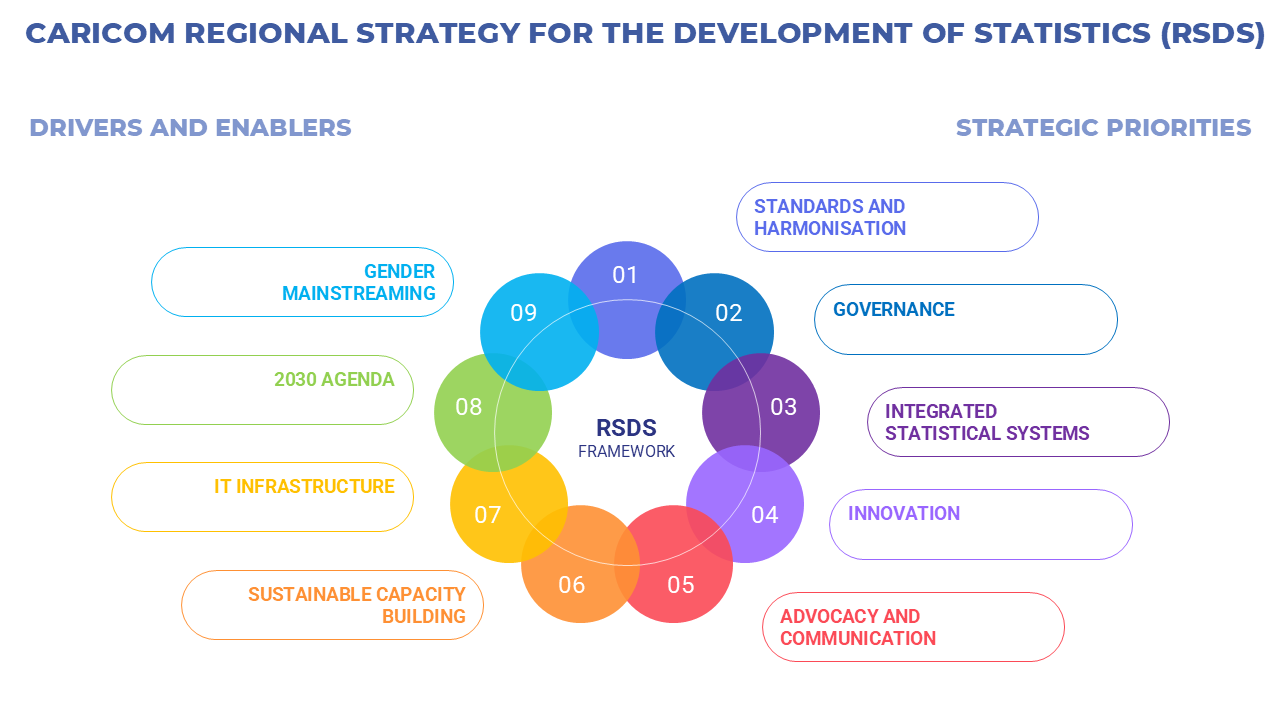
The Regional Strategy for the Development of Statistics (RSDS), which was endorsed by Heads of Government of CARICOM in July 2018, is the result of extensive work undertaken over several years by the Standing Committee of Caribbean Statisticians (SCCS) and the Caribbean Community (CARICOM) Secretariat. The overarching theme of the CARICOM RSDS is “Building Resilience of the Caribbean Community “

The CARICOM RSDS forms the shared foundation for developing the region’s statistical capacity. Through this strategy, CARICOM National Statistical Offices commit to ensuring equitable access to official statistics to all categories of users and ensuring a high level of quality in the production and dissemination of official statistics in the Region.

The RSDS is guided by the five (5) Strategic Priorities, namely, 1-Standards and Harmonisation, 2-Governance, 3-Integrated Statistical Systems, 4-Innovation and 5-Advocacy and Communication. These Strategic Priorities, when implemented in an integrated manner, will seek to strengthen and position the national and regional statistical infrastructure to provide the statistics for evidence-based decision-making, towards the ultimate outcome of resilient economies and sustained economic growth and development of CARICOM countries.

Read More
20 Oct
0

2020 Census Round-Preliminary and Final Reports


About the 2020 Census Round
The 2020 Census Round is a coordinated effort by CARICOM Member States and Associate Members to collect population and housing data using internationally recommended standards. Although the reference year is 2020/2021, data collection and publication schedules vary by country, partly due to the COVID-19 pandemic.

The census provides essential information on:

  • Population size, structure, and distribution
  • Housing characteristics
  • Education, labour force, and migration trend

Quick Insights:

  • Youngest Population: Belize (25 years)
    • Total population size 397,484
    • The median age of 25 indicates that half of the population is below 26 years, reflecting a predominantly youthful demographic structure.
    • A low median age can also correlate with low life expectancy, reflecting broader health and social challenges.
  • Oldest Population: Curacao (49 years)
    • Total population size 155,826
    • With a median age of 49, half of the population is above this age, signifying an ageing population.
    • The proportion of people aged 65 and older is almost a quarter (24.7%) of the total population.
  • Other Populations: Median Ages 33–44 Years
    • This suggests a moderately mature population structure, with a substantial proportion of working-age adults relative to younger and older cohorts.
    • This also suggests, balanced dependency ratios.

Using Census Data
Census data are best used for population counts, small-area analysis, and demographic profiles. Because census years differ across countries, users should exercise caution when making regional comparisons.


Country Census Results and Reports

Bahamas

Total– 398,165

Intercensal change– 13.3 %


Barbados

Males– 130,037

Females– 139,053

Total– 269,090

Intercensal change– 3%
The Estimated Resident Population is derived from 2010 estimates, adjusted by births and deaths each year to 1st August 2021, and net migration


Belize

Tables: Census | Statistical Institute of Belize

Males– 195,695

Females– 201,789

Total– 397,484

Intercensal change– 23.3 %


Bermuda

Males– 30,690

Females– 33,089

Total– 63,779

Intercensal change– 1%


Cayman Islands

Males– 34,823

Females– 33,927

Total– 71,432*

Intercensal change– 29.2 %

* During the census of 2021, the gender of 61 individuals is not known. *

71432 is total estimated population


Curacao

See more: Publications Census 2023 | Senso Kòrsou

Males– 70,162

Females– 85,596

Total– 155,826*

Intercensal change– 3 %

* During the census of 2023, the gender of 68 individuals is not known.


Grenada

Males– 54,542

Females– 54,479

Total– 109,021

Intercensal change– 2.2 %


Guyana

Males– 440,882

Females– 437,792

Total– 878,674

Intercensal change– 17.6 %


Jamaica

Males

Females

Total– 2,774,538

Intercensal change– 2.8 %


Montserrat

Males– 2,189

Females– 2,197

Total– 4,386

Intercensal change– 11%


St. Kitts and Nevis

Males– 25,000

Females– 26,320

Total– 51,320

Intercensal change– 8.7 %


Saint Lucia

Males– 84,714

Females– 87,118

Total– 171,832

Intercensal change– 3.8 %


Dwelling Units per 1,000 People

Dwelling Units per 1,000 Persons

Housing Availability in CARICOM Countries

Recent census data across 12 CARICOM countries shows significant variation in housing availability:

  • High availability: Montserrat, Bermuda and Cayman Islands lead with over 430 dwelling units per 1,000 persons.
  • Moderate availability: Curacao, Saint Lucia, Grenada and Bahamas have between 360–386 units per 1,000 persons.
  • Lower availability: Guyana, Barbados, Belize and Jamaica have fewer than 335 units per 1,000 persons.

CARICOM Population & Housing Census Snapshot-Selected Countries

COUNTRYCENSUS YEARTOTAL POPULATIONSEX RATIO1TOTAL DEPENDENCY RATIO2MEDIAN AGE3DWELLING UNITS
Bahamas2021398,16592.85433144,128
Barbados2021269,09093.55242.573,571
Belize2022397,48497.049.825.7110,718
Bermuda201663,77992.7464428,192
Cayman Islands202171,432102.631.53829,699
Curacao2023155,82682.045.94960,075
Grenada2022109,021100.153.734.740,990
Guyana2022878,674100.7218,019
Jamaica20222,774,538926,815
Montserrat20234,38699.656.343.52,252
St. Kitts and Nevis202151,32095.040.53421,677
Saint Lucia2022171,83297.244.536.865,951

  1. Sex Ratio Indicator- males per 100 females ↩︎
  2. A low dependency ratio indicates a healthy economy where a sufficient number of working-age individuals can support the dependent population, typically those aged 0-14 and over 65. ↩︎
  3. The median age of a population is the age at which half the population is older and half is younger ↩︎

Highlights

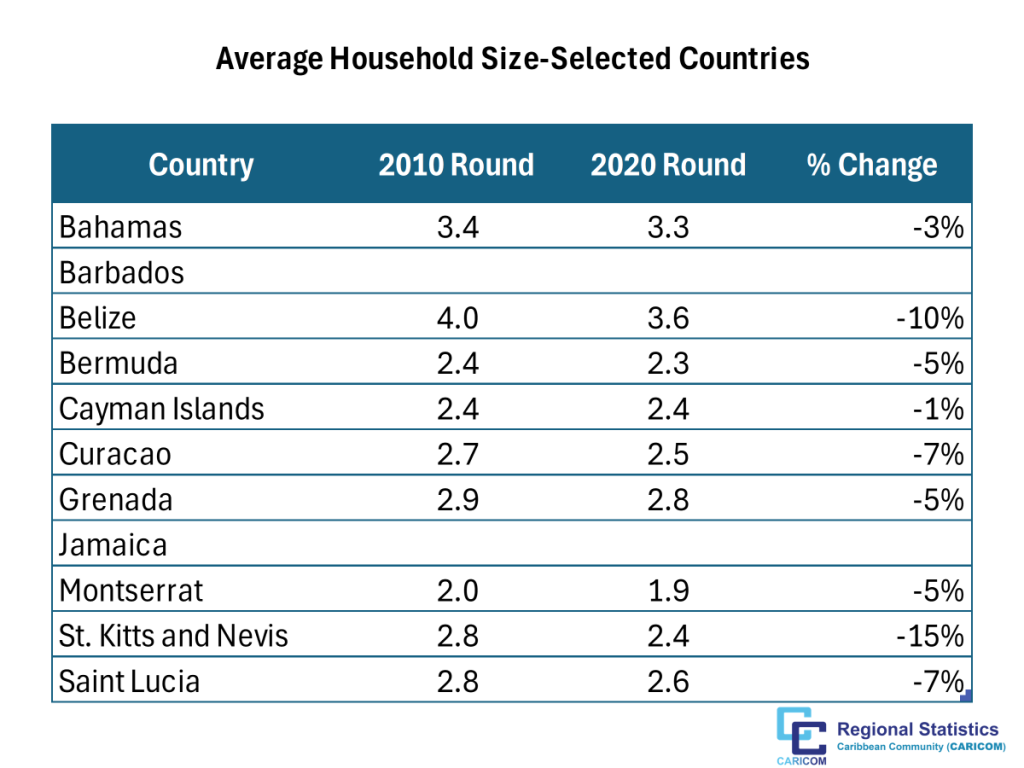
The available census data for selected CARICOM countries indicates a general decline in average household size between the 2010 and 2020 census rounds.

Several countries showed moderate declines ranging between 5% and 7%.

St. Kitts and Nevis experienced the most pronounced decrease (–15%), from 2.8 to 2.4 persons per household, while Bahamas recorded a small decline of –3% and Cayman Islands remained essentially stable, with only a –1% change.


Several CARICOM countries postponed enumeration due to COVID-19, leading to variation in census years and publication timelines. This page is regularly updated to reflect the latest available data.

Last updated: January 2026

Read More
18 Oct
0

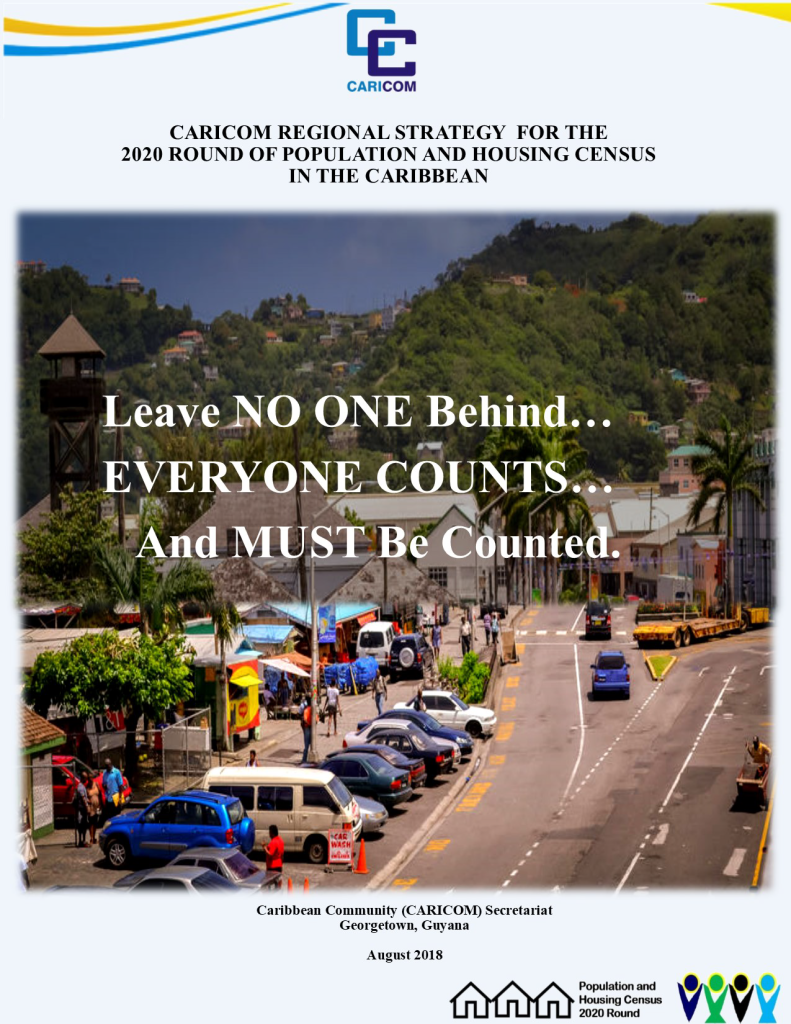
CARICOM Regional Census Strategy – 2020 Round

Copyright© 2018 Caribbean Community (CARICOM) Secretariat

Read More
18 Oct
0

Regional Statistical Work Programme for the Production of a Common Core of Quality Statistics

View online/download

Regional Statistics Work Programme (RSWP)

Bibliographic information

Geographic coverage: Caribbean Community (CARICOM)

Subject areas: Work Programme

Resource type(s): Manuals and tools

Publication year

2011

Number of pages

37

Publishing entity/ies: Caribbean Community (CARICOM) Secretariat

Read More
14 Oct
0

Caribbean Census Editing Handbook-July 2011

Read More